The Ultimate Guide to the Best Way for Siding and Roofing
Exploring the world of siding and roofing unveils a realm of possibilities where quality meets aesthetics and energy efficiency. This guide delves into the intricacies of choosing the best way for siding and roofing with a focus on durability and cost-effectiveness.
As we navigate through the various materials and installation processes, you'll gain valuable insights on maintenance and repairs to ensure a long-lasting and visually appealing structure.
Importance of Siding and Roofing
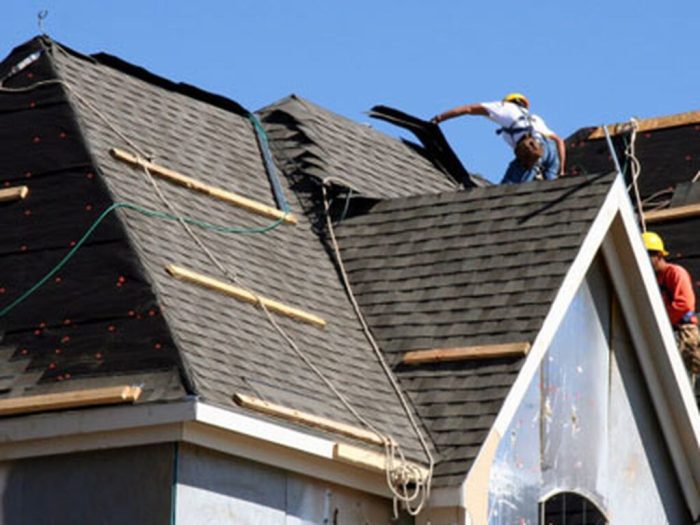
Having high-quality siding and roofing is crucial for the overall well-being of a building. Not only do they protect the structure from the elements, but they also play a significant role in enhancing its aesthetic appeal and energy efficiency.
Enhancing Aesthetic Appeal
Properly installed siding and roofing can greatly improve the curb appeal of a building. They come in a variety of materials, colors, and styles, allowing homeowners to choose options that complement the overall design and architecture of their property. This can significantly boost the value of the home and leave a lasting impression on visitors.
Impact on Energy Efficiency
Well-maintained siding and roofing can also contribute to better energy efficiency. Insulated siding and energy-efficient roofing materials help regulate indoor temperatures, reducing the need for excessive heating or cooling. This, in turn, leads to lower energy bills and a more sustainable living environment.
Types of Siding Materials
When it comes to choosing siding materials for your home, there are several options available in the market. Each type of siding material has its own set of characteristics that impact durability, maintenance requirements, and cost-effectiveness.
Vinyl Siding
Vinyl siding is a popular choice due to its affordability and low maintenance requirements. It is durable, resistant to rot and insects, and comes in a variety of colors and styles. However, it may crack or fade over time, especially in extreme weather conditions.
Fiber Cement Siding
Fiber cement siding is known for its durability and resistance to fire, rot, and insects. It can mimic the look of wood or stucco but requires periodic painting or resealing for maintenance. While it is more expensive upfront, it is considered cost-effective in the long run due to its longevity.
Wood Siding
Wood siding offers a natural and traditional look to your home. It is versatile and can be painted or stained in various colors. However, wood siding requires regular maintenance such as painting, staining, and sealing to prevent rot, pests, and weather damage.
It is also more susceptible to fire and may be pricier than other siding materials.
Aluminum Siding
Aluminum siding is lightweight, durable, and resistant to fire and pests. It is low maintenance and can be painted in different colors. However, aluminum siding may dent easily and is prone to fading over time. It is a cost-effective option for homeowners looking for a sleek and modern appearance.
Brick Siding
Brick siding is known for its durability, longevity, and classic appeal. It is fire-resistant, requires minimal maintenance, and offers excellent insulation properties. While brick siding is one of the more expensive options upfront, it can add value to your home and is considered cost-effective in the long term.
Compare the Cost-Effectiveness
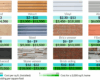
In terms of cost-effectiveness, vinyl siding is often the most budget-friendly option upfront, while fiber cement and brick siding may offer better long-term value due to their durability and minimal maintenance requirements. Wood and aluminum siding fall somewhere in between, depending on the specific maintenance needs and longevity of the materials.
Types of Roofing Materials
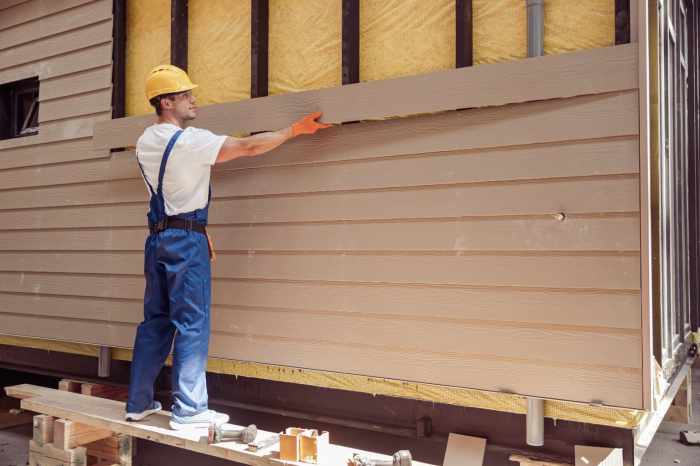
When it comes to roofing materials used in construction, there are several common options available. Each type of roofing material has its own set of pros and cons, as well as specific maintenance needs and lifespan.
Asphalt Shingles
Asphalt shingles are one of the most popular choices for roofing due to their affordability and ease of installation. They come in a variety of colors and styles, making them versatile for different architectural designs. However, asphalt shingles have a shorter lifespan compared to other materials and may require more frequent maintenance.
Metal Roofing
Metal roofing is known for its durability and longevity, with some metal roofs lasting up to 50 years or more. They are also energy-efficient and environmentally friendly. On the downside, metal roofs can be more expensive upfront and may be noisy during heavy rain or hailstorms.
Wood Shakes
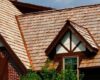
Wood shakes provide a natural and rustic look to a home, adding charm and character. They are also environmentally friendly and can last for 30 years or more with proper maintenance
Clay Tiles
Clay tiles are popular for their durability, fire resistance, and aesthetic appeal. They can last for 50 years or more and are low maintenance. However, clay tiles are heavy and may require additional structural support. They can also be costly compared to other roofing materials.
Installation Process
When it comes to installing siding and roofing, there are specific steps and key stages that need to be followed to ensure a durable and long-lasting outcome.
Siding Installation
Installing siding involves several general steps that are crucial for a successful installation process:
- Preparation of the exterior walls by cleaning and inspecting for any repairs needed.
- Applying a weather-resistant barrier to protect against moisture.
- Measuring and cutting the siding materials to fit the walls properly.
- Securing the siding panels according to manufacturer guidelines.
- Finishing touches such as caulking and painting for added protection and aesthetic appeal.
Roofing Installation
Roofing installation also follows key stages to ensure a secure and durable roof over your head:
- Preparation of the roof deck by removing any old shingles and inspecting for damage.
- Installation of underlayment to provide an extra layer of protection against water infiltration.
- Placement of roofing materials such as shingles, tiles, or metal sheets in an overlapping pattern for maximum weather resistance.
- Flashing installation around roof penetrations to prevent leaks.
- Final inspection to ensure everything is properly installed and sealed.
Tips for Durability
- Choose high-quality materials that are suitable for your climate.
- Hire experienced and reputable contractors for the installation process.
- Regular maintenance and inspections to address any issues before they escalate.
- Ensure proper ventilation to prevent moisture buildup and prolong the lifespan of your siding and roofing.
- Follow manufacturer guidelines for installation and maintenance to preserve warranties.
Maintenance and Repairs
Regular maintenance for siding and roofing is crucial to ensure the longevity and performance of these essential components of a building. Neglecting maintenance can lead to costly repairs or even premature replacement. Let's explore the importance of regular maintenance, common issues that may arise, and how to address minor repairs for siding and roofing.
Importance of Regular Maintenance
Regular maintenance for siding and roofing helps to identify and address potential issues before they escalate into larger problems. It can extend the lifespan of these components and prevent water damage, mold growth, and other structural issues.
Common Issues with Siding and Roofing
- Poor installation leading to leaks
- Cracks or damage from severe weather
- Mold or mildew growth
- Loose or missing shingles
- Rotting or warping of siding materials
Addressing Minor Repairs
- Inspect siding and roofing regularly for signs of damage or wear.
- Replace missing or damaged shingles promptly to prevent water infiltration.
- Seal any cracks or gaps in the siding to prevent moisture from seeping in.
- Clean gutters and downspouts to ensure proper drainage and prevent water damage.
- Consult a professional for any repairs that require specialized knowledge or equipment.
Final Thoughts
In conclusion, mastering the art of siding and roofing is not just about construction—it's about creating a lasting impression that stands the test of time. With the right knowledge and approach, your building can be both functional and visually stunning.
General Inquiries
What are the benefits of high-quality siding and roofing?
High-quality siding and roofing enhance a building's appearance, improve energy efficiency, and offer long-term durability.
Which siding materials are the most cost-effective?
Vinyl and fiber cement siding are considered cost-effective options due to their durability and low maintenance requirements.
How can I address minor repairs for siding and roofing?
Minor repairs for siding and roofing can be tackled by sealing cracks, replacing damaged shingles, and conducting regular inspections to catch issues early.