Finding the Best Exterior Siding Contractors Near Me: A Comprehensive Guide
As exterior siding contractors near me take the spotlight, this opening passage invites readers into a world of expertise, ensuring an informative and engaging read.
The following paragraphs will delve into the intricacies of exterior siding contractors and provide valuable insights for your next project.
Research on Exterior Siding Contractors
When looking for exterior siding contractors in your area, it's essential to do thorough research to ensure you hire a reputable and reliable professional for your project. Here are some key steps to consider:
Identify the top-rated exterior siding contractors in your area
- Check online reviews and ratings on platforms like Google, Yelp, or Angie's List to see what previous clients have to say about their experiences with different contractors.
- Ask for recommendations from friends, family, or neighbors who have recently had siding work done.
Compare the services offered by different contractors
- Look for contractors who specialize in the type of siding material you want to use, whether it's vinyl, fiber cement, wood, or metal.
- Inquire about their experience, qualifications, and certifications to ensure they have the necessary skills to handle your project.
- Get quotes from multiple contractors to compare pricing, timelines, and the scope of work included in their proposals.
Discuss the importance of hiring reputable contractors for siding projects
Working with a reputable contractor can make a significant difference in the outcome of your siding project. Here's why:
A reputable contractor will have the expertise and experience to ensure that the installation is done correctly, which can prevent issues like water damage, energy loss, or structural damage in the future.
They are more likely to use high-quality materials and adhere to industry best practices, resulting in a durable and long-lasting siding solution for your home.
Reputable contractors also provide warranties and guarantees for their work, giving you peace of mind and assurance that any issues that may arise will be addressed promptly.
Types of Exterior Siding
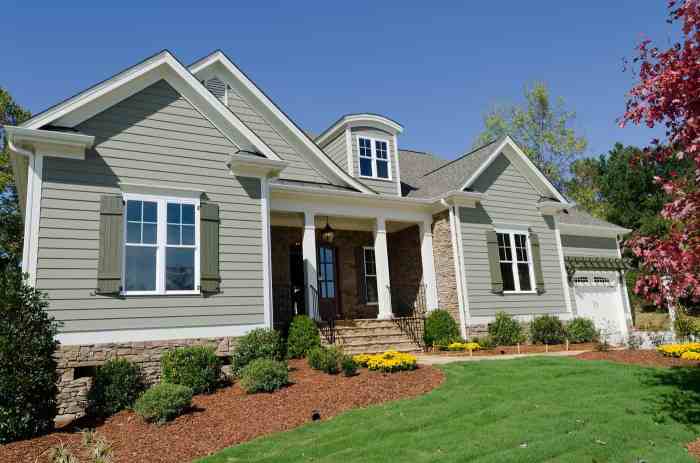
When it comes to choosing the right exterior siding for your home, there are several popular materials to consider. Each type of siding has its own unique characteristics, pros, and cons that can impact the overall look and durability of your home.
Vinyl Siding
- Pros: Affordable, low maintenance, available in a wide range of colors and styles.
- Cons: Can crack or fade over time, limited in terms of customization.
Fiber Cement Siding
- Pros: Durable, fire-resistant, can mimic the look of wood or stucco.
- Cons: More expensive than vinyl, requires professional installation, can be heavy.
Wood Siding
- Pros: Natural look, environmentally friendly, can be painted or stained.
- Cons: Requires regular maintenance, prone to rot and insect damage.
Aluminum Siding
- Pros: Lightweight, resistant to fire and insects, recyclable.
- Cons: Can dent easily, limited color options, may require repainting.
Brick Siding
- Pros: Durable, low maintenance, excellent insulation properties.
- Cons: Expensive upfront cost, can be challenging to install, limited design options.
Factors to Consider
- Climate: Choose siding materials that can withstand the weather conditions in your area.
- Maintenance: Consider how much time and effort you are willing to invest in upkeep.
- Cost: Determine your budget and find a siding material that fits within your financial constraints.
- Aesthetics: Think about the overall look and style you want to achieve for your home.
Cost Considerations
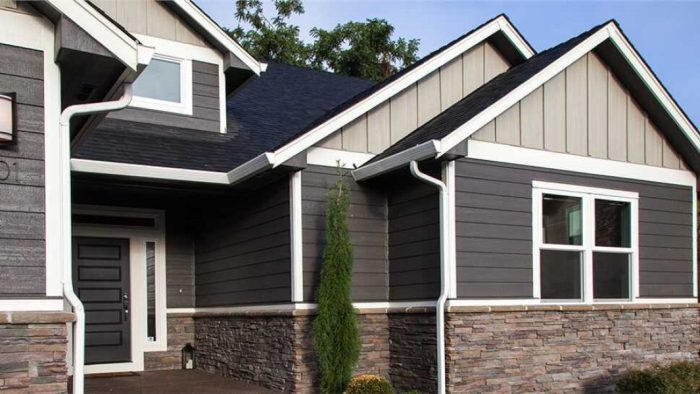
When hiring exterior siding contractors, it is important to consider the various costs associated with the project. The overall cost of the project will depend on factors such as the size of the home, the type of siding material chosen, and the complexity of the installation process.
Breakdown of Costs
- Labor Costs: This includes the cost of hiring the contractors to install the siding on your home. Labor costs can vary depending on the experience and skill level of the contractors.
- Material Costs: The cost of the siding material itself will be a significant portion of the overall project cost. Different siding materials come at different price points, so it's important to choose a material that fits your budget.
- Additional Costs: There may be additional costs involved in the project, such as the removal of old siding, the purchase of additional materials like insulation, or any necessary repairs to the underlying structure of the home.
Impact of Siding Materials on Cost
- Vinyl Siding: Vinyl siding is one of the most affordable options available, making it a popular choice for many homeowners looking to save money on their siding project.
- Fiber Cement Siding: While fiber cement siding is more expensive upfront, it is a durable and low-maintenance option that can save you money in the long run on maintenance and repairs.
- Wood Siding: Wood siding is a more expensive option that requires regular maintenance, which can add to the overall cost of the project over time.
Budgeting and Saving Money
- Get Multiple Quotes: It's always a good idea to get quotes from multiple contractors to compare prices and find the best deal for your budget.
- Consider DIY Options: If you're handy with tools, you may be able to save money by installing the siding yourself. However, be sure to weigh the cost savings against the potential risks of DIY installation.
- Plan Ahead: By budgeting and planning for your siding project in advance, you can avoid unexpected costs and ensure that you stay within your budget.
Installation Process
When it comes to installing exterior siding, there are several general steps involved that are crucial for the overall outcome and longevity of the siding.
Preparation
Before beginning the installation process, it is important to prepare the wall surface by removing any existing siding, repairing any damaged areas, and ensuring the surface is clean and smooth.
Choosing the Right Materials
It is essential to select the appropriate siding materials based on factors such as climate, architectural style, and budget. Different materials like vinyl, wood, fiber cement, or metal siding have unique installation requirements.
Installation Steps
- Measure and cut siding panels to fit the wall dimensions accurately.
- Install flashing and starter strips to ensure proper water drainage and ventilation.
- Secure siding panels using nails, screws, or adhesive according to manufacturer guidelines.
- Apply caulking and sealants to prevent water infiltration and ensure a weatherproof seal.
- Finish the installation with trim pieces and corner caps for a polished look.
Importance of Proper Installation
Proper installation of exterior siding is crucial for the longevity and performance of the siding. Incorrect installation can lead to moisture issues, warping, mold growth, and structural damage over time.
DIY vs. Hiring Professionals
While some homeowners may opt for DIY siding installation to save costs, hiring professional exterior siding contractors is recommended. Professionals have the expertise, tools, and experience to ensure a proper and efficient installation, reducing the risk of errors and costly repairs in the future.
Maintenance and Repairs
Maintaining your exterior siding is essential to ensure its longevity and keep your home looking its best. Different types of siding materials have varying maintenance requirements, and it's important to understand how to properly care for each to avoid costly repairs in the future.
Maintenance Requirements for Different Types of Siding
- Vinyl Siding: Vinyl siding is relatively low maintenance, requiring periodic cleaning with a mild detergent and water to remove dirt and debris. Inspect for any cracks or damage that may need to be repaired.
- Wood Siding: Wood siding needs to be painted or stained every few years to protect it from moisture and rot. Regular inspections for mold, mildew, and insect damage are crucial.
- Fiber Cement Siding: Fiber cement siding should be inspected annually for cracks, chips, or peeling paint. Cleaning with a mild detergent and water is recommended to remove dirt and grime.
- Aluminum Siding: Aluminum siding should be cleaned annually with a solution of water and mild detergent to prevent oxidation and corrosion. Inspect for any dents or scratches that may need to be addressed.
Common Issues Requiring Repairs in Exterior Siding
- Water Damage: Improper installation or maintenance can lead to water infiltration, causing rot, mold, and mildew. Address any signs of water damage promptly to prevent further deterioration.
- Cracks and Gaps: Over time, siding materials may develop cracks and gaps, allowing moisture to seep in and compromise the integrity of your home's exterior. These issues should be repaired to prevent structural damage.
- Pest Infestation: Insects and rodents can damage siding materials, leading to costly repairs. Regular inspections and prompt action are essential to prevent pest infestations.
Tips for Maintaining Siding
- Regular Inspections: Check your siding for any signs of damage, such as cracks, peeling paint, or discoloration, and address them promptly.
- Clean Regularly: Keep your siding clean by washing it with a mild detergent and water to remove dirt, mold, and mildew buildup.
- Trim Vegetation: Trim trees, bushes, and other vegetation near your home to prevent damage to your siding and reduce the risk of pest infestations.
Closure
In conclusion, this guide has shed light on the key aspects of exterior siding contractors near me, equipping you with the knowledge to make informed decisions for your home improvement endeavors.
Question & Answer Hub
What factors should I consider when hiring exterior siding contractors?
Consider their experience, reputation, and the range of services they offer to ensure a successful project.
How do different siding materials impact the overall cost of a project?
High-quality materials may increase initial costs but lead to long-term savings through durability and minimal maintenance.
Is DIY siding installation a viable option compared to hiring professionals?
While DIY can save money, professional installation guarantees quality workmanship and adherence to industry standards.
What are common maintenance requirements for exterior siding?
Regular cleaning, inspection for damage, and prompt repairs are essential to maintain the integrity of your siding.
How can I prolong the lifespan of my siding?
Proper maintenance, timely repairs, and choosing high-quality materials can significantly extend the lifespan of your siding.