The Ultimate Guide to Choosing the Best Clapboard Siding
Exploring the world of clapboard siding unveils a plethora of options, each with unique benefits and historical significance. Dive into this guide to discover everything you need to know about finding the best clapboard siding for your home.
From understanding the different materials to installation and maintenance tips, this comprehensive overview will equip you with the knowledge to make an informed decision.
Introduction to Clapboard Siding
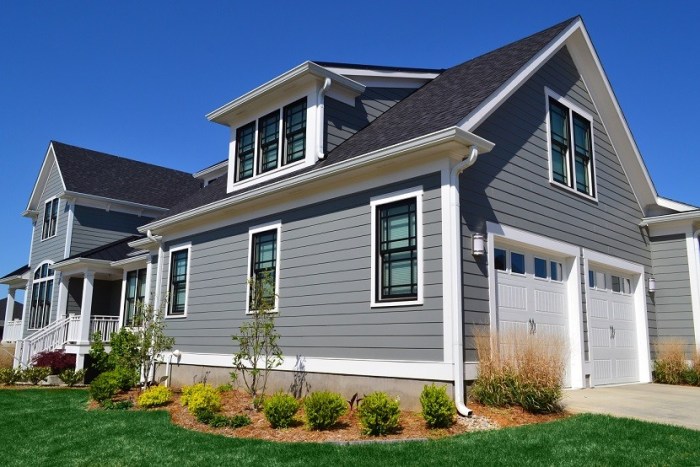
Clapboard siding is a type of exterior wall covering made of wooden boards that overlap each other horizontally to create a weather-resistant barrier for homes and buildings. This traditional siding option has been popular for centuries due to its durability, versatility, and timeless aesthetic appeal.
Types of Clapboard Siding
- Wooden Clapboard: Typically made from cedar or pine, wooden clapboard siding is a classic choice known for its natural beauty and ability to be painted or stained in various colors.
- Vinyl Clapboard: A more affordable and low-maintenance option, vinyl clapboard siding mimics the look of wood but does not require regular painting or staining.
- Fiber Cement Clapboard: Made from a mix of cement, sand, and cellulose fibers, fiber cement clapboard siding offers excellent durability and resistance to rot, insects, and fire.
Historical Significance
Clapboard siding has a rich historical significance in architecture, dating back to colonial times in America. It was a common choice for early settlers due to the abundance of wood and its effectiveness in protecting homes from the elements. Over time, clapboard siding has evolved in style and material options while maintaining its charm and functionality in modern construction.
Factors to Consider When Choosing Clapboard Siding
When selecting the best clapboard siding for your home, there are several important factors to consider to ensure durability, maintenance, and cost-effectiveness.
Durability and Maintenance Requirements
Clapboard siding is known for its durability and ability to withstand various weather conditions. It is important to choose a material that is resistant to rot, pests, and moisture to ensure longevity. Regular maintenance such as painting or sealing may be required to keep the siding in optimal condition.
Cost Comparison of Clapboard Siding Materials
There are various materials available for clapboard siding, each with its own cost implications. Common options include wood, vinyl, fiber cement, and engineered wood. While wood may provide a traditional look, it may require more maintenance compared to vinyl or fiber cement.
Fiber cement is known for its durability and low maintenance, but it may come with a higher initial cost. Engineered wood offers a cost-effective alternative with the look of real wood but requires less maintenance.
Popular Materials for Clapboard Siding
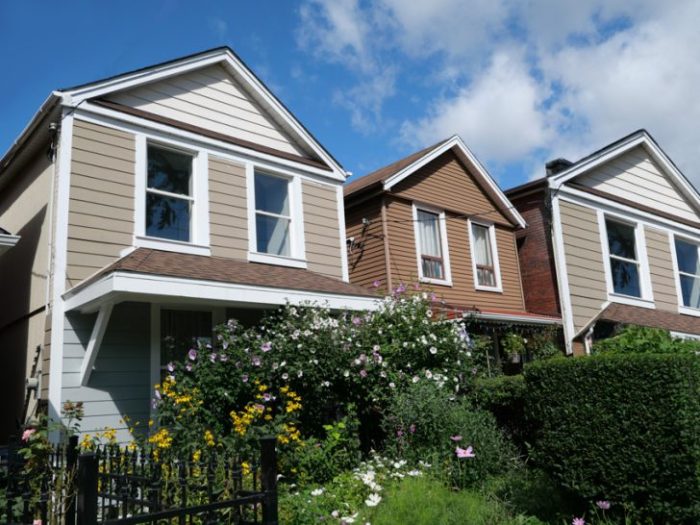
Wood clapboard siding is a traditional choice that offers a classic look and natural beauty to a home. Typically made from cedar or redwood, wood clapboard siding is known for its warmth and charm. It can be painted or stained in a variety of colors to suit different architectural styles.
Characteristics of Wood Clapboard Siding
- Durable and long-lasting if properly maintained.
- Natural insulating properties that can help with energy efficiency.
- Can be easily customized through painting or staining.
- Provides a timeless aesthetic appeal to a home.
Benefits of Fiber Cement Clapboard Siding
- Resistant to rot, pests, and fire, making it a low-maintenance option.
- Durable and long-lasting, with some manufacturers offering warranties of up to 50 years.
- Available in a wide range of colors and styles to mimic the look of wood or other materials.
- Can withstand harsh weather conditions without warping or cracking.
Advantages of Vinyl Clapboard Siding
- Cost-effective and budget-friendly compared to other materials.
- Low maintenance, as it does not require painting or staining.
- Available in a variety of colors and textures to suit different home designs.
- Resistant to rot, insects, and fading, making it a durable choice.
Features of Composite Clapboard Siding
- Combines the benefits of wood and plastic to create a durable and low-maintenance material.
- Resistant to rot, termites, and moisture, making it ideal for humid climates.
- Available in a range of colors and styles to match different architectural preferences.
- Eco-friendly option as it is often made from recycled materials.
Installation and Maintenance Tips
When it comes to clapboard siding, proper installation and maintenance are key to ensuring its longevity and aesthetic appeal. Below, we provide a step-by-step guide on how to install clapboard siding, share tips for maintaining it, and discuss common issues that may arise and how to address them.
Step-by-Step Guide on Installing Clapboard Siding
- Start by preparing the exterior wall surface, ensuring it is clean, dry, and free of any debris.
- Measure and cut the clapboard siding to the appropriate length, taking into account overlaps for proper installation.
- Begin at the bottom of the wall and work your way up, securing each piece of siding with nails or screws.
- Ensure proper spacing between each piece of siding to allow for expansion and contraction with changing temperatures.
- Finish the installation by adding trim pieces around windows, doors, and corners for a polished look.
Tips for Maintaining Clapboard Siding
- Regularly inspect the siding for any signs of damage, such as cracks, warping, or rot, and address them promptly.
- Clean the siding at least once a year using a mild detergent and water to remove dirt, mold, and mildew buildup.
- Consider applying a fresh coat of paint or stain every few years to protect the siding from the elements and maintain its appearance.
- Trim any overhanging tree branches to prevent damage to the siding from falling debris or rubbing against the surface.
Common Issues and How to Address Them
- Rot:If you notice any signs of rot on your clapboard siding, replace the affected pieces immediately and address any underlying moisture issues.
- Warping:Warped siding can be caused by improper installation or exposure to moisture. Consider re-installing the affected pieces or addressing any drainage issues around your home.
- Pest Infestation:To prevent pests like termites or carpenter ants from damaging your siding, inspect it regularly and consider applying a pest-resistant treatment.
- Fading:Over time, clapboard siding may fade due to exposure to sunlight. Consider using UV-resistant paint or stain to protect the siding and maintain its color.
Last Point
As we wrap up our discussion on clapboard siding, remember that the right choice can enhance the beauty and durability of your home. With the information provided, you're now ready to embark on your journey towards selecting the best clapboard siding that suits your needs.
Commonly Asked Questions
What are the main benefits of clapboard siding?
Clapboard siding offers a traditional aesthetic, excellent durability, and can increase the insulation of your home.
How do I maintain clapboard siding?
Regular cleaning and inspections can help maintain the quality of clapboard siding. Repainting when needed and addressing any damage promptly are also essential.
Which type of clapboard siding is the most cost-effective?
Vinyl clapboard siding is often considered the most cost-effective option due to its initial affordability and minimal maintenance requirements.