Average Cost to Put Vinyl Siding on a House: A Comprehensive Guide
Delving into the realm of vinyl siding costs for homes, this introductory paragraph aims to provide an intriguing overview of the subject, setting the stage for an informative discussion.
Exploring the various factors that influence pricing, materials considerations, and regional disparities will be key highlights of this exploration.
Factors Affecting Vinyl Siding Costs
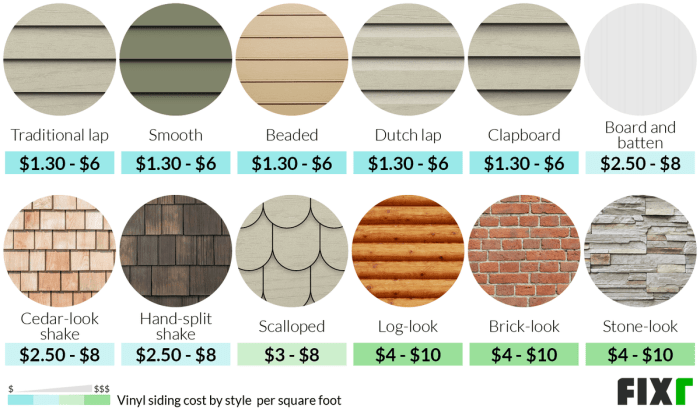
When considering the cost of installing vinyl siding on a house, several factors come into play that can influence the overall expense. These factors can vary based on the size of the house, the quality of materials used, labor costs, and even geographical location or market trends.
Size of the House
The size of the house is a significant factor that affects the cost of vinyl siding installation. Larger homes require more materials and labor, which can drive up the overall expense. Smaller homes, on the other hand, may be more cost-effective to side with vinyl due to the reduced materials and labor needed.
Quality of Materials
The quality of the vinyl siding materials chosen can also impact the cost of installation. Higher quality materials are generally more expensive upfront but may require less maintenance and last longer, potentially saving money in the long run. Cheaper materials may result in lower upfront costs but could lead to higher maintenance and replacement costs down the line.
Labor Costs
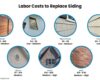
Labor costs play a crucial role in determining the overall expense of installing vinyl siding. Skilled labor typically comes at a higher price, but it ensures the job is done correctly and efficiently. The complexity of the installation, such as the need for additional preparation or specialized techniques, can also affect labor costs.
Geographical Location and Market Trends
The cost of vinyl siding installation can vary depending on the geographical location of the house and current market trends. In areas with higher demand for siding contractors or a limited supply of materials, prices may be higher. Conversely, in regions where competition is fierce or materials are more readily available, costs may be lower.
Average Cost Breakdown
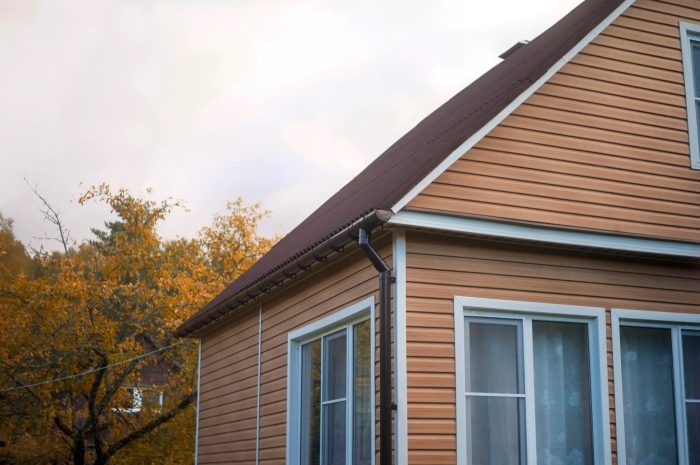
When it comes to putting vinyl siding on a house, it's essential to understand the breakdown of costs involved. This breakdown typically includes expenses for materials, labor, additional supplies, and any unforeseen costs that may arise during the project.
Materials Cost
- Vinyl Siding Panels: $1,000 - $3,000
- Trim Pieces: $200 - $500
- Insulation: $200 - $500
Labor Cost
- Installation Labor: $2,000 - $5,000
Additional Supplies
- Nails, screws, and other fasteners: $100 - $300
- Caulk and sealant: $50 - $100
- Tools rental or purchase: $100 - $300
Unforeseen Expenses
It's important to set aside about 10%
20% of the total project cost for any unexpected expenses that may arise during the installation process.
The average cost breakdown for putting vinyl siding on a house can vary based on the size of the house. For a small-sized house, the total cost may range from $5,000 to $10,000. In comparison, a medium-sized house could cost between $7,000 and $15,000
Finally, for a large-sized house, the cost could be anywhere from $10,000 to $25,000. These estimates are based on average costs and may vary depending on the specific requirements of each project.
Types of Vinyl Siding
When it comes to vinyl siding for residential properties, there are various types available offering different features and price points. Understanding the differences between basic, mid-range, and premium options can help homeowners make an informed decision based on their budget and preferences.
Basic Vinyl Siding
Basic vinyl siding is the most affordable option among the different types. It typically comes in a limited range of colors and styles, offering a simple and straightforward look for the house. While basic vinyl siding may not have the same level of durability or aesthetic appeal as higher-end options, it provides a cost-effective solution for homeowners on a tight budget.
Mid-Range Vinyl Siding
Mid-range vinyl siding offers a balance between affordability and quality. It comes in a wider variety of colors and textures compared to basic siding, allowing homeowners to choose a design that suits their preferences. Mid-range vinyl siding is more durable and resistant to fading, making it a popular choice for many homeowners looking for a combination of value and aesthetics.
Premium Vinyl Siding
Premium vinyl siding is the top-tier option available, offering the highest quality materials, design options, and durability. It comes in a wide range of colors, styles, and textures, often mimicking the look of real wood or stone. Premium vinyl siding is highly resistant to fading, warping, and damage from the elements, providing long-lasting protection and curb appeal to the house.
While premium vinyl siding comes at a higher cost compared to basic and mid-range options, it offers superior quality and performance, making it a worthwhile investment for homeowners looking for the best in terms of aesthetics and longevity.
Cost-Saving Tips
By implementing some cost-saving tips, you can reduce the average cost of installing vinyl siding on your house. Whether it's through DIY options, negotiating with contractors, or opting for off-season installations, there are various ways to save money while still achieving a quality result.
Additionally, proper maintenance and choosing durable materials can lead to long-term cost savings.
DIY Installation
One way to save on installation costs is by considering a DIY approach. If you have the necessary skills and tools, you can potentially save a significant amount by installing the vinyl siding yourself. However, it's crucial to ensure that you have the expertise to complete the job correctly to avoid costly mistakes.
Negotiate with Contractors
Before hiring a contractor, make sure to get multiple quotes and negotiate the price. Sometimes, contractors may be willing to lower their rates or offer discounts, especially if you are getting multiple services done or if you're flexible with the timeline.
Don't be afraid to discuss pricing options and see if there's room for negotiation.
Off-Season Installations
Consider scheduling the installation during the off-season when contractors may have lower demand. During slower periods, contractors may be more willing to offer discounts or promotions to secure work. By planning your installation during the off-peak times, you could potentially save on labor costs.
Proper Maintenance and Durable Materials
Investing in high-quality, durable materials for your vinyl siding can lead to long-term cost savings. By choosing materials that are built to last, you can reduce the need for frequent repairs or replacements. Additionally, regular maintenance such as cleaning and inspections can help prolong the lifespan of your siding, saving you money in the long run.
Final Summary
Wrapping up our exploration on the average cost to put vinyl siding on a house, we've covered essential aspects like cost breakdowns, types of siding, and cost-saving strategies.
Essential Questionnaire
What factors can affect the cost of vinyl siding installation?
Factors like house size, material quality, and labor expenses can significantly impact the overall cost.
How do different types of vinyl siding vary in cost?
Basic, mid-range, and premium vinyl siding options have varying costs, with quality and durability as key differentiators.
Are there ways to save on vinyl siding installation costs?
Consider DIY options, negotiate with contractors, or aim for off-season installations to reduce expenses.